Madhubani painting is one of India’s most vibrant and traditional art forms, known for its intricate patterns, bold outlines, and bright colors. For those just starting out, Easy Madhubani Painting Techniques for Beginners provide a simple way to explore this beautiful folk art. In this guide, you will learn Madhubani painting step by step, discover practical tips, and understand the essential motifs that make this art unique. From nature-inspired designs to traditional patterns, these techniques make it easy for anyone to start creating stunning Madhubani artwork. Perfect for beginners, this guide simplifies complex designs without compromising authenticity.
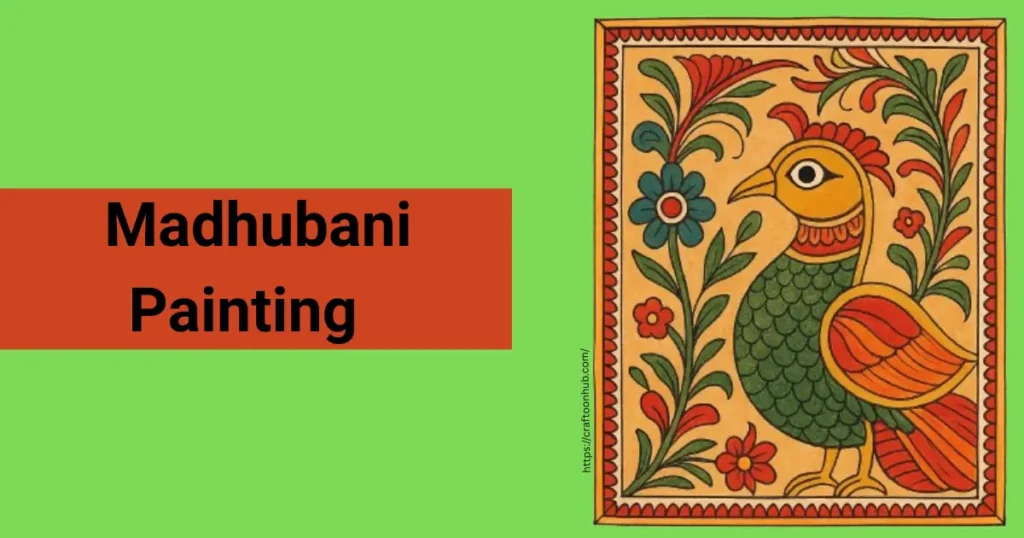
What is Madhubani Painting?
Madhubani painting, also called Mithila painting, originates from the Mithila region of Bihar, India. Traditionally, it was done on walls and floors using natural dyes and pigments during festivals, weddings, and other ceremonies. Over time, it evolved into a popular form of folk art on paper, canvas, and fabric.
The distinguishing features of Madhubani art include:
- Bold outlines: Usually done in black or dark brown.
- Bright colors: Natural or synthetic pigments are used to fill designs.
- Intricate patterns: Geometric shapes, flowers, leaves, and animals often fill empty spaces.
- Symbolic motifs: Common themes include gods, goddesses, nature, and social events.
For beginners, understanding these basics is essential before diving into easy Madhubani art techniques.
Materials You Need for Madhubani Painting
Starting with the right materials will make your learning process smooth and enjoyable. Here’s a simple list for beginners:
- Paper or Canvas: Thick paper or watercolor paper works best. You can also try cloth or handmade paper for practice.
- Paints: Acrylics or poster colors are ideal for beginners. Traditionally, natural dyes were used.
- Brushes: Fine-tipped brushes or even thin bamboo sticks for intricate detailing.
- Pens/Markers: Black fine-liner pens can help in drawing outlines.
- Pencil and Eraser: For sketching your design lightly before painting.
Having all these ready will make it easier to learn Madhubani painting step by step.
Easy Madhubani Painting Techniques for Beginners
Here are some easy Madhubani painting techniques for beginners that will help you get started with confidence:
1. Line and Border Work
Madhubani paintings are all about bold outlines and detailed borders. Start by practicing straight lines, zigzags, triangles, and dots. Borders are often repetitive patterns that frame your artwork beautifully. Use a fine brush or black pen to draw lines and shapes.
Tip: Keep your hand steady and practice simple designs repeatedly to build precision.
2. Geometric Patterns
Geometric shapes such as squares, triangles, and circles form the backbone of Madhubani motifs. Beginners can start with simple arrangements and gradually combine shapes to create intricate designs.
Tip: Fill spaces with tiny dots, lines, or crosshatches to add texture and depth.
3. Nature-Inspired Motifs
Nature plays a central role in Madhubani art. Flowers, leaves, fish, birds, and animals are commonly depicted. Start with simple shapes like a lotus or a peacock feather, and then experiment with adding patterns inside them.
Tip: Observe real-life elements to get the proportions and flow right.
4. Color Filling Techniques
Traditionally, Madhubani art uses flat, vibrant colors. Beginners should avoid shading initially and focus on filling the shapes completely with solid colors.
Tip: Use a brush that fits the size of the shape, and paint slowly to avoid smudging.
5. Symmetry and Repetition
Many Madhubani designs are symmetrical. Practice creating mirrored patterns on both sides of your central motif. Repetition of simple patterns like dots, circles, or lines gives the painting a harmonious look.
Tip: Use light pencil guidelines to maintain symmetry before applying colors.
6. Traditional Madhubani Painting Tips
To make your artwork more authentic, keep these traditional Madhubani painting tips in mind:
- Stick to symbolic themes: folk tales, festivals, and nature motifs.
- Fill all empty spaces with patterns to maintain the classic Madhubani look.
- Limit your color palette to 5–6 colors to achieve a cohesive design.
- Use natural materials if you want a traditional feel, like turmeric for yellow or indigo for blue.
Step-by-Step Process for Beginners
Here’s a simple process to learn Madhubani painting step by step:
Step 1: Choose Your Theme
Decide whether you want to paint nature, mythology, or a festive scene. Beginners often start with a simple floral or geometric design.
Step 2: Sketch Lightly
Use a pencil to lightly sketch your main motif. Start with the central element, like a flower, peacock, or tree.
Step 3: Draw Bold Outlines
Once you are happy with the sketch, outline it with a fine black pen or brush. This gives the painting its traditional bold look.
Step 4: Add Patterns and Details
Fill the empty spaces with repetitive patterns, dots, or lines. Use reference images if needed to understand traditional motifs.
Step 5: Color Your Painting
Fill the different sections with bright colors. Remember, Madhubani art traditionally has flat, vibrant fills rather than shading.
Step 6: Final Touches
Once the paint dries, go over the outlines again to make them crisp. Add any small details you may have missed.
Common Mistakes Beginners Should Avoid
Even when following easy Madhubani art techniques, beginners often make a few mistakes:
- Skipping the Outline: The outline defines the artwork. Don’t skip it.
- Uneven Colors: Fill areas slowly to avoid patchiness.
- Ignoring Symmetry: Madhubani art looks best when balanced and symmetrical.
- Overcrowding: While filling patterns is important, don’t overcrowd smaller designs.
- Using Too Many Colors: Stick to a few main colors for harmony.
How to Practice Madhubani Art Regularly
Consistency is key. Here are some tips to make painting a habit:
- Dedicate 15–30 minutes daily to sketching or coloring.
- Keep a small journal for Madhubani doodles.
- Follow online Madhubani art tutorials for beginners.
- Experiment with different paper textures and mediums.
Why Learning Madhubani Painting is Beneficial
Beyond its aesthetic appeal, Madhubani painting offers several personal benefits:
- Enhances Creativity: Planning patterns and color schemes improves imagination.
- Reduces Stress: The repetitive patterns and detailed work are meditative.
- Cultural Connection: You engage with Indian traditions and folk stories.
- Skill Development: Fine motor skills and attention to detail improve with practice.
Resources for Beginners
Here are some helpful resources to get started:
- YouTube Tutorials: Search for “Madhubani art tutorial for beginners” for visual guidance.
- Books: “Madhubani Art: A Beginner’s Guide” by various authors offers structured learning.
- Workshops: Attend local art workshops to get hands-on experience.
- Online Communities: Join social media groups or forums to share and learn from other beginners.
Conclusion
Learning Madhubani painting is both fun and rewarding. By following easy Madhubani painting techniques for beginners, practicing regularly, and keeping traditional tips in mind, you can gradually create beautiful artworks that reflect your creativity and cultural appreciation. Remember, every artist starts as a beginner, and the key is patience, practice, and passion.
So pick up your brush, gather your colors, and start your Madhubani journey today! With this guide, you can confidently learn Madhubani painting step by step and master the timeless art of Mithila painting.